Iceland-Jökulsárlón Glacier Lagoon
April/May 2022
There is something about driving through Iceland that makes you feel very small.
One moment, you're standing beneath a roaring waterfall. A few hours later, you're walking across volcanic black sand, watching waves crash against the coastline. Then the landscape changes again , mountains, glaciers and enormous stretches of wilderness appearing outside the car window.
Our 2-day South Coast tour with Hidden Iceland took us from Reykjavík towards one of Iceland's most spectacular landscapes: Jökulsárlón Glacier Lagoon.
It was two days packed with waterfalls, black-sand beaches, glaciers and some seriously unforgettable scenery.
Waterfalls, Black Sand & Vík
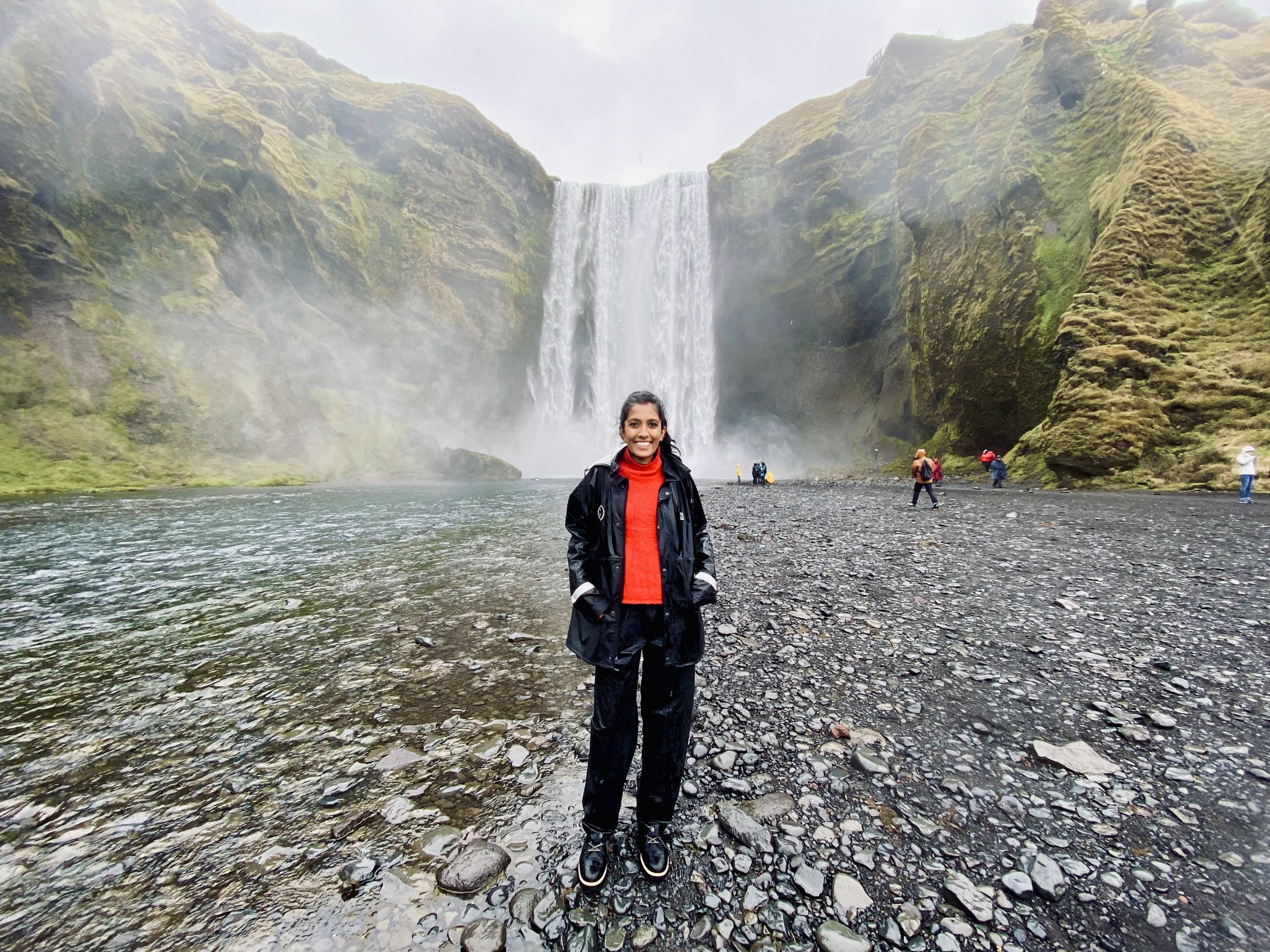
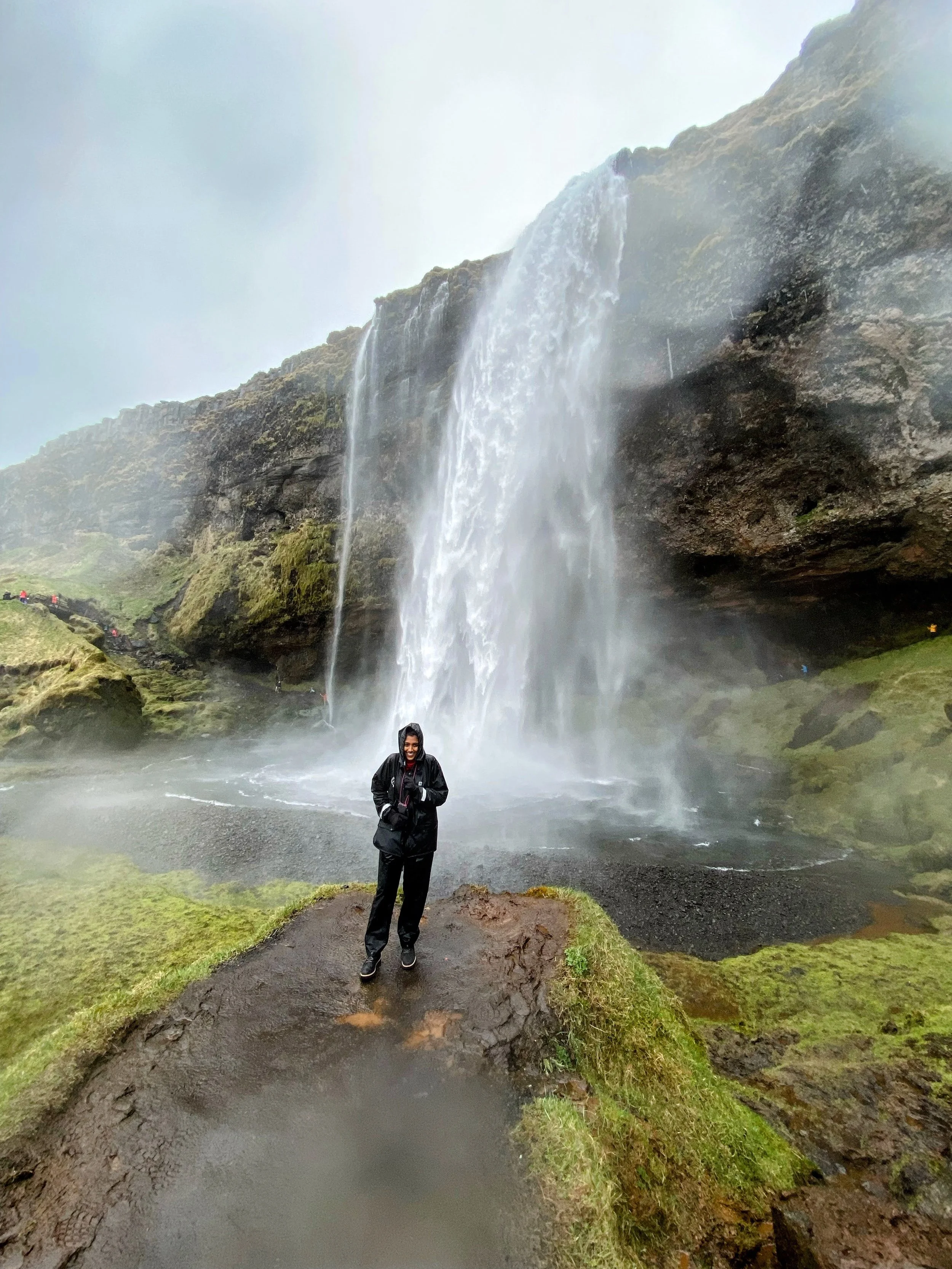
Our first major stop was Seljalandsfoss, one of Iceland's most famous waterfalls. What makes Seljalandsfoss particularly special is that you can walk behind the waterfall. The path takes you into the spray, with the enormous curtain of water falling directly in front of you. From Seljalandsfoss, we continued towards Skógafoss, another spectacular waterfall along Iceland's South Coast. Skógafoss is much wider and more powerful, with water plunging dramatically from the cliffs into the river below. Standing at the bottom and looking up gives you a real sense of just how immense Iceland's landscapes can be.
Reynisfjara Black Sand Beach
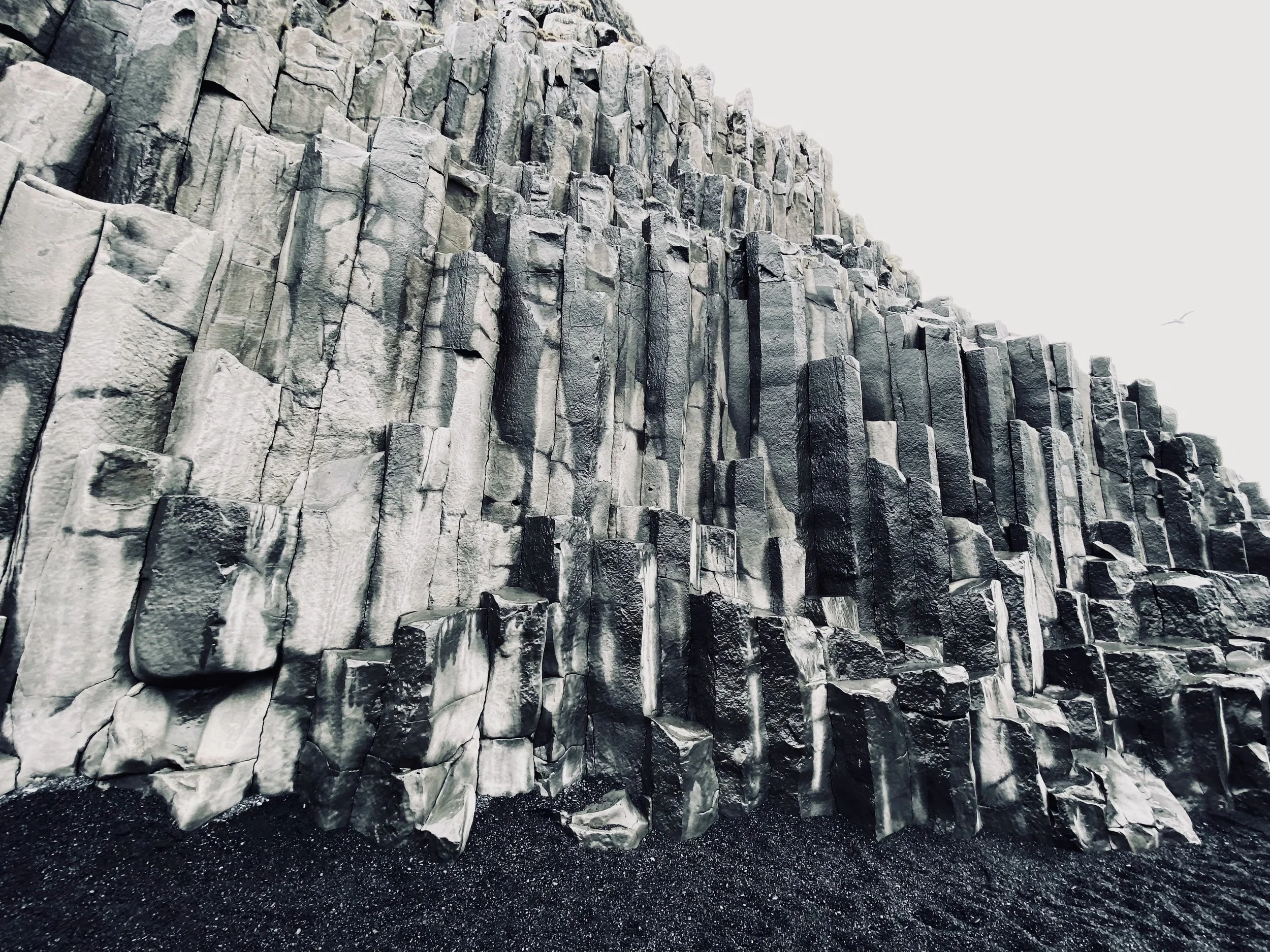
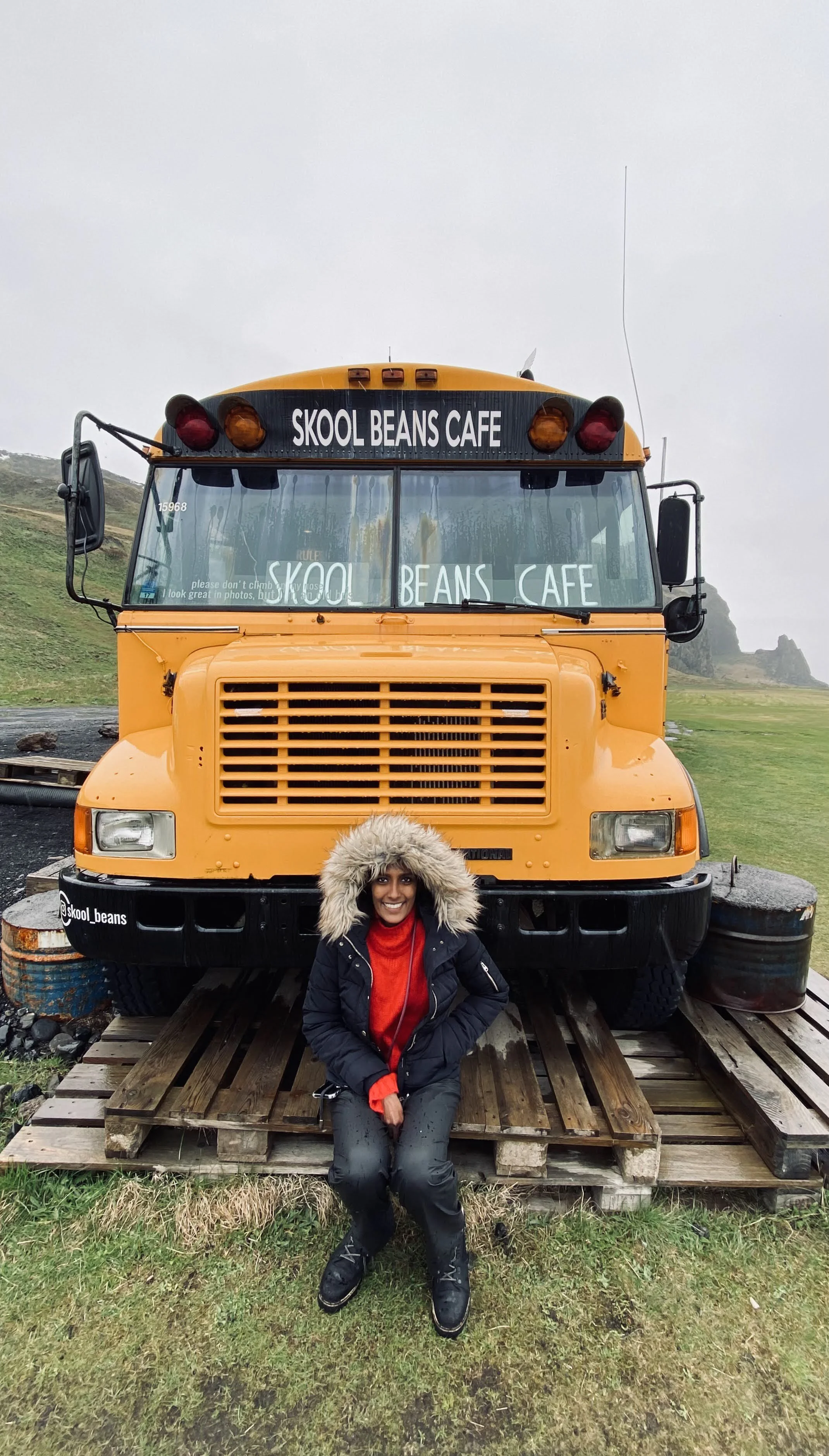
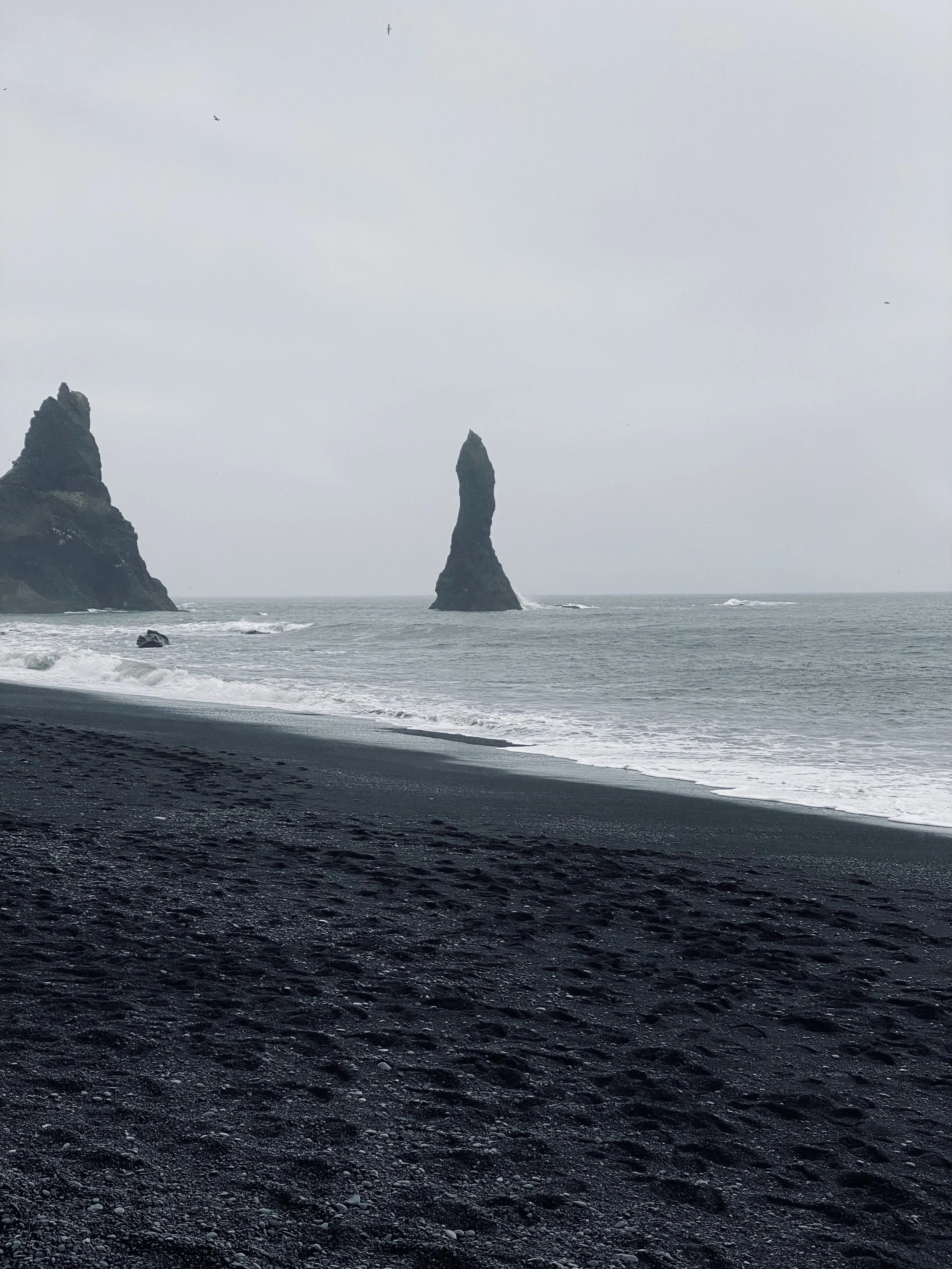
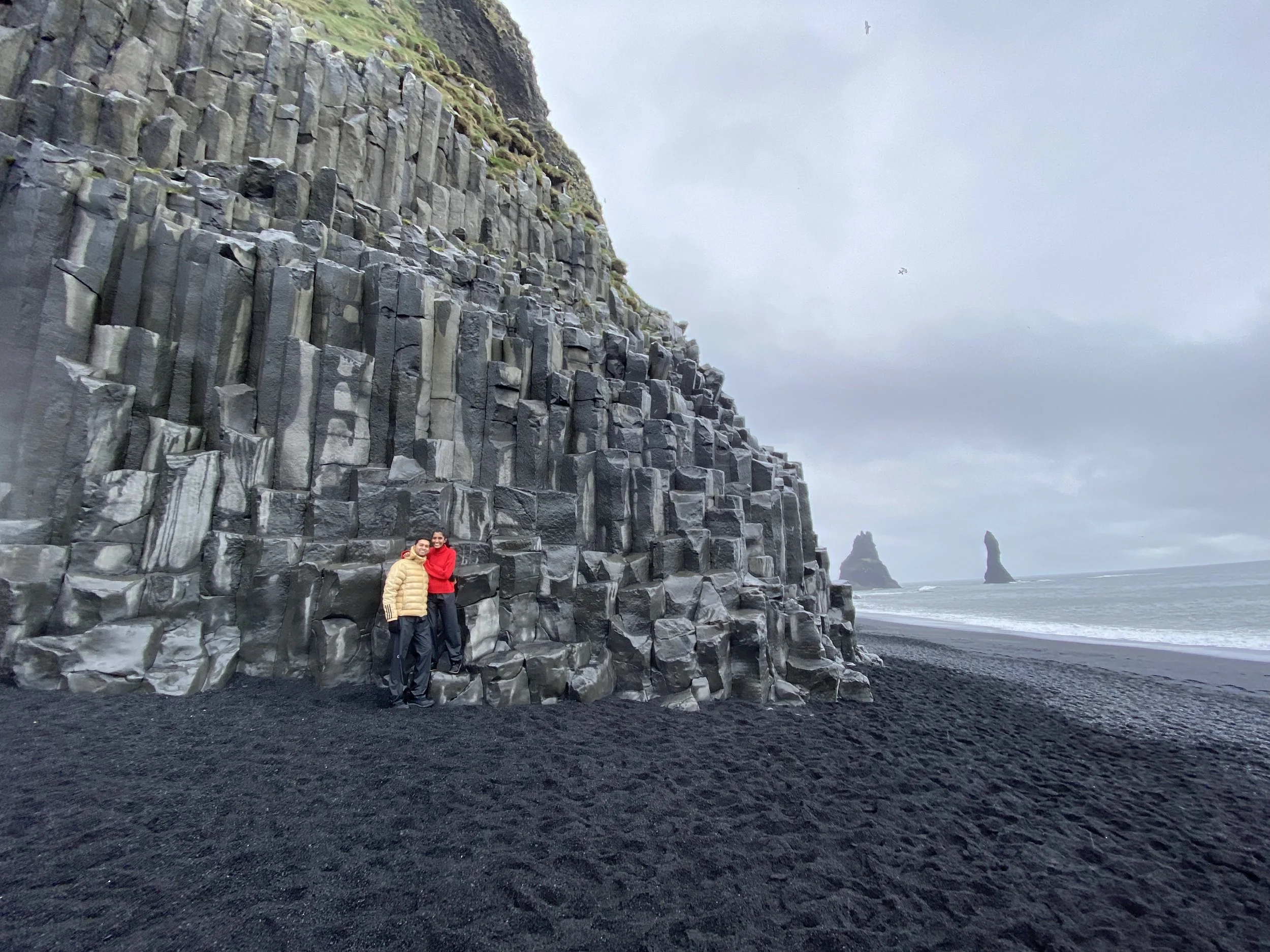
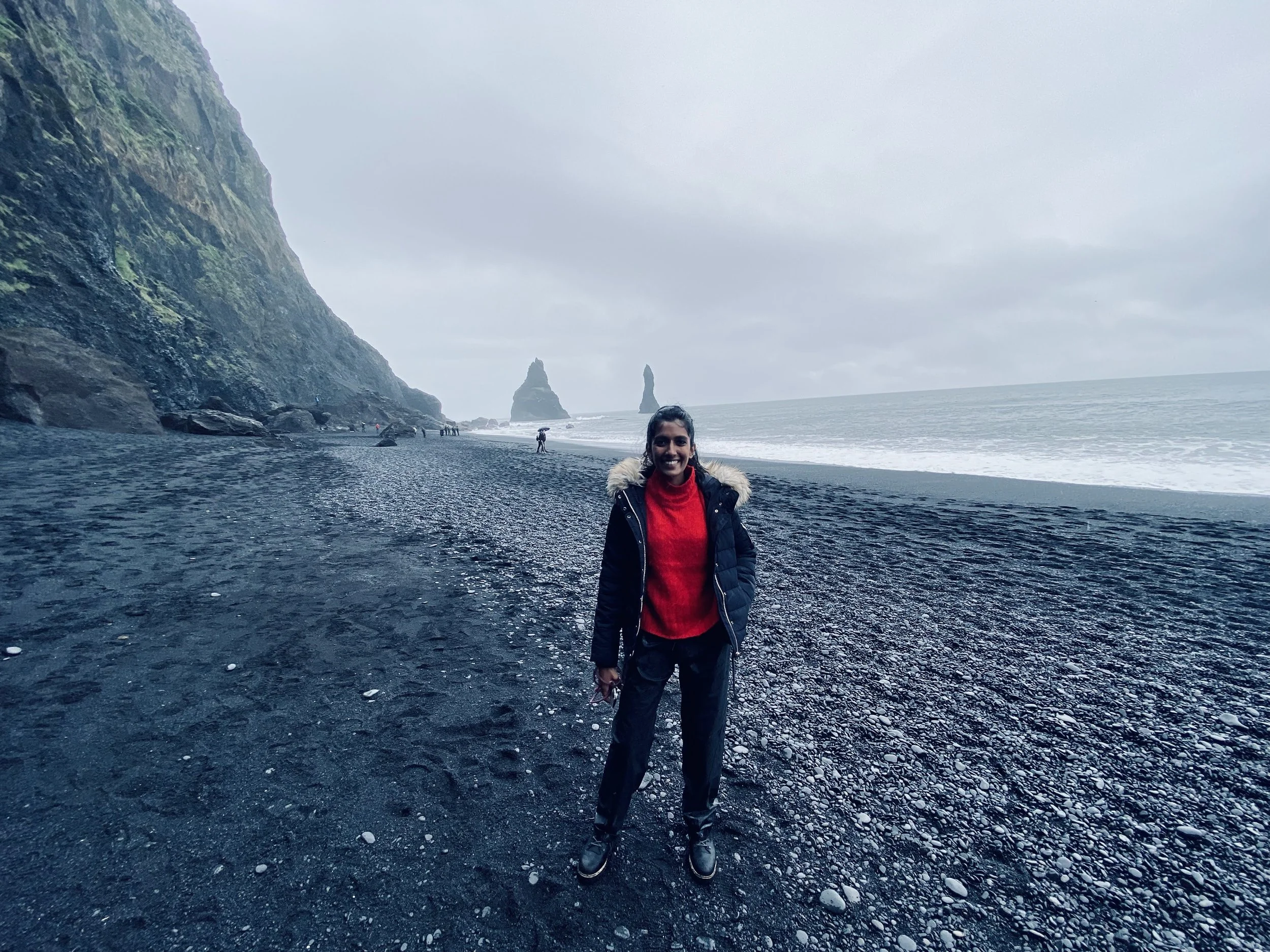
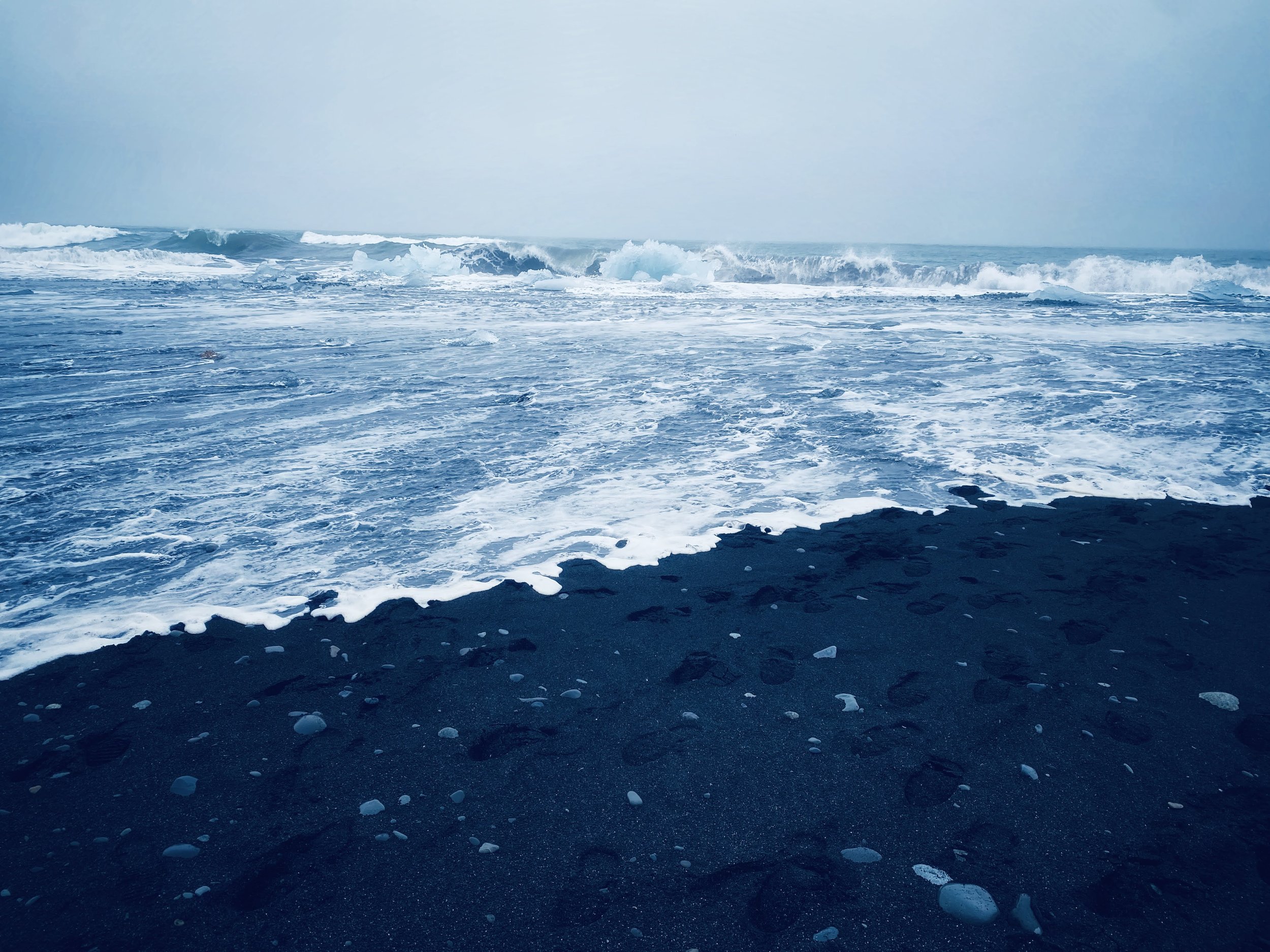
The scenery changed completely as we continued towards Reynisfjara. The bright greens of the countryside gave way to dramatic black volcanic sand, towering cliffs and the powerful Atlantic Ocean. Reynisfjara is one of those places that looks almost unreal. The dark sand contrasts against the white sea foam, while the distinctive basalt formations and Reynisdrangar sea stacks create an incredibly dramatic backdrop. We also stopped in Vík, the small coastal village surrounded by mountains and dramatic scenery.
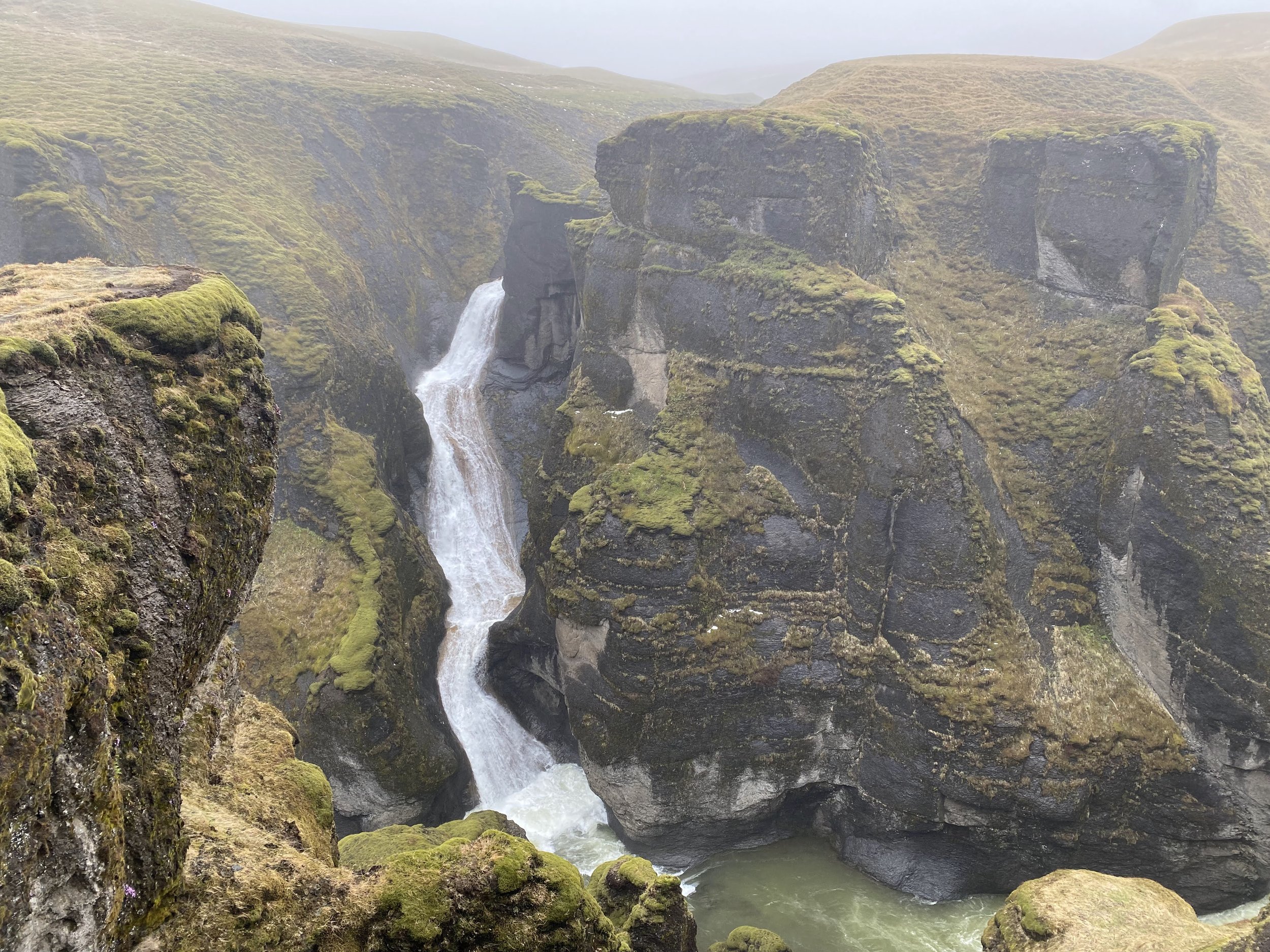
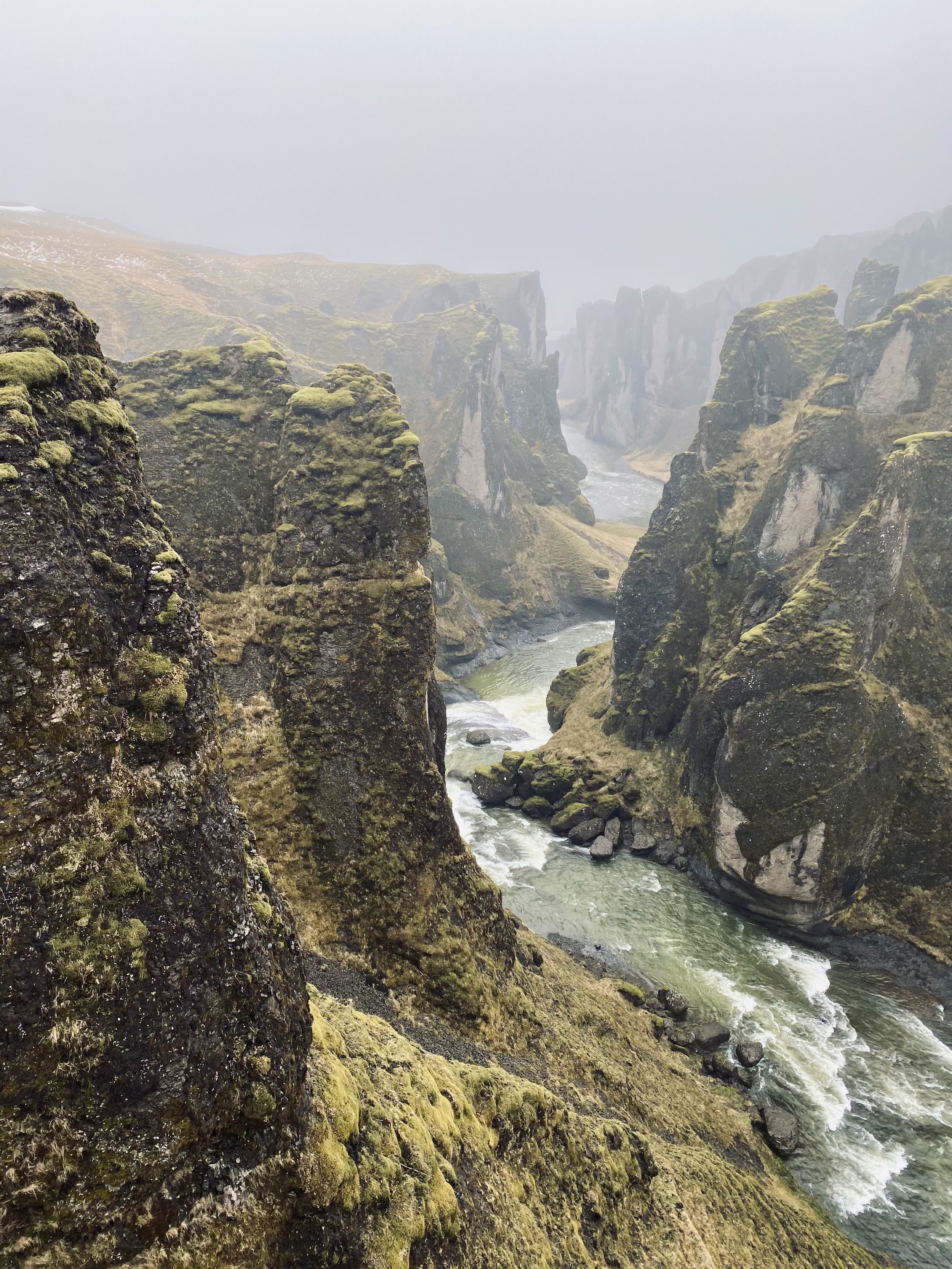
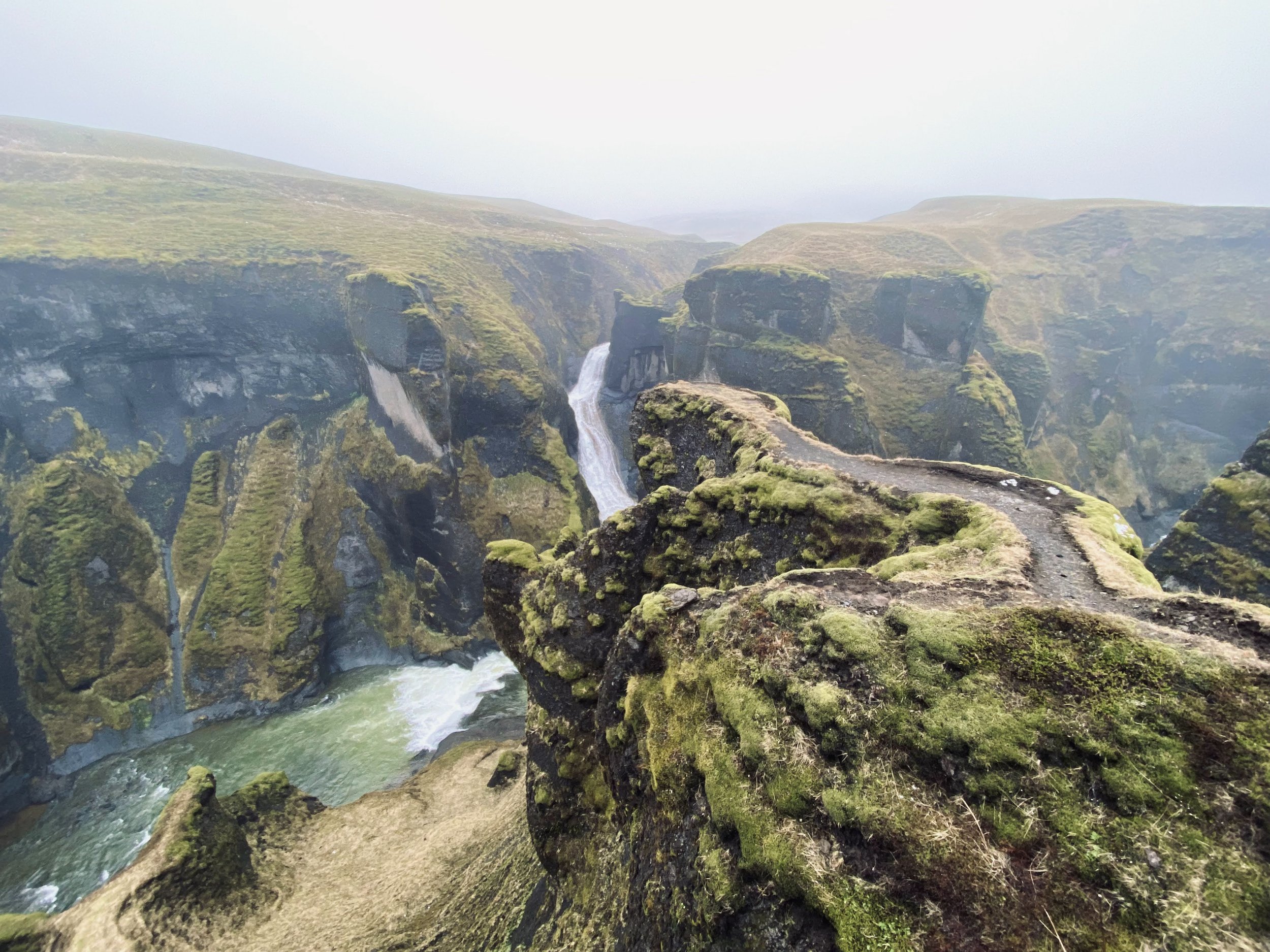
Jökulsárlón Glacier Lagoon- Day 2
The highlight of the trip was finally arriving at Jökulsárlón Glacier Lagoon.
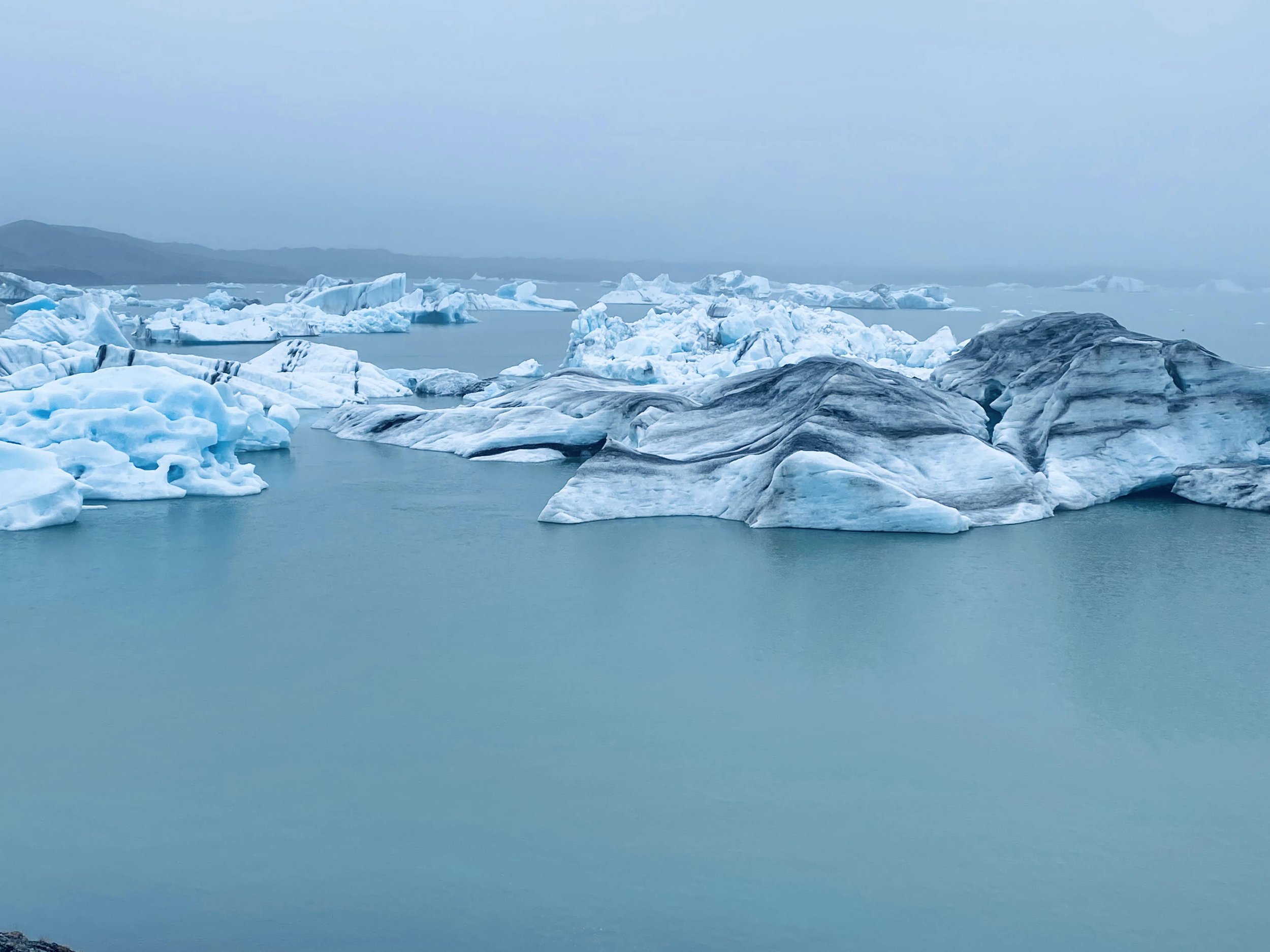
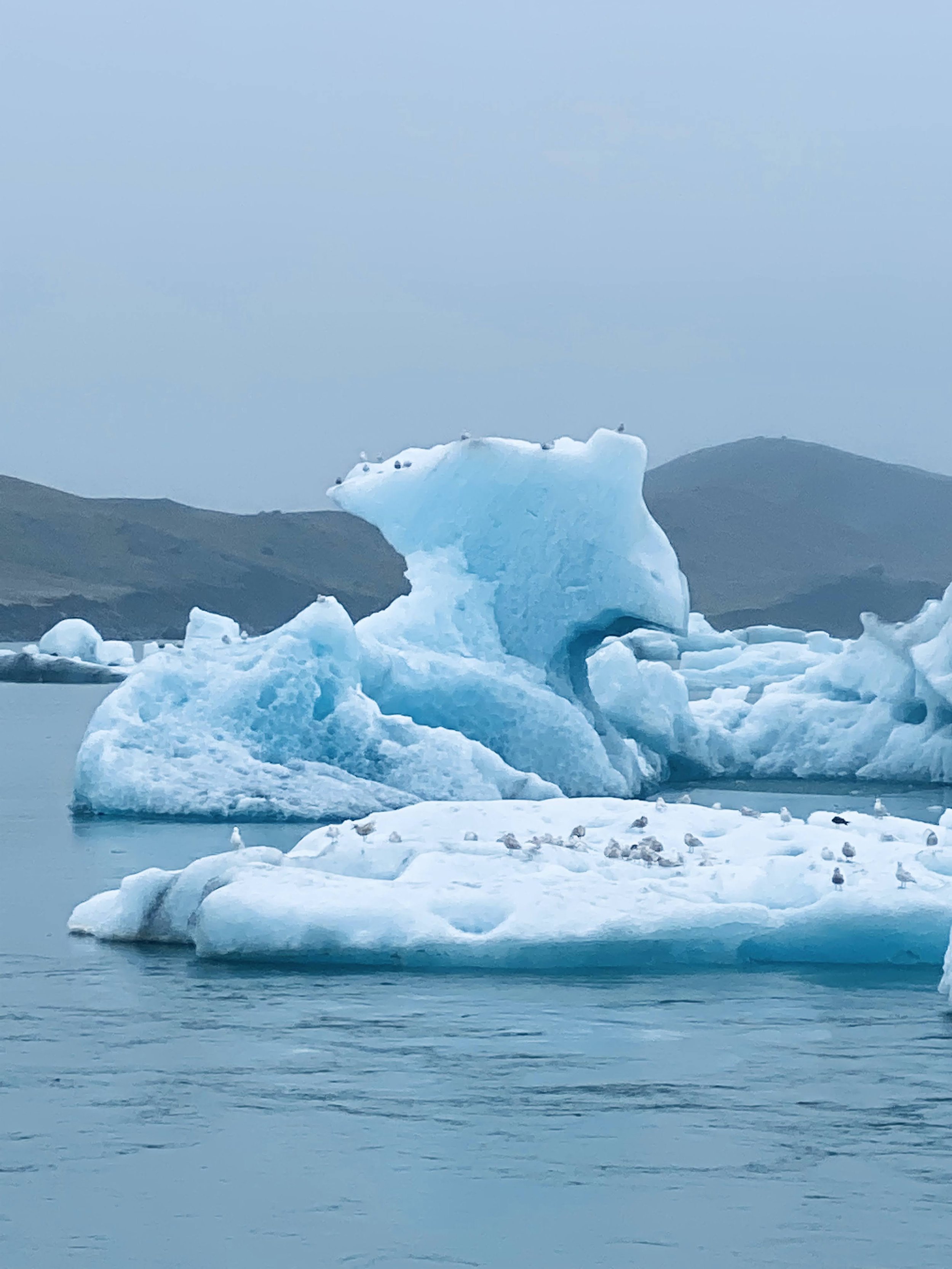
The lagoon is filled with enormous pieces of ice that have broken away from the glacier and slowly drift through the water.Some icebergs are brilliant white. Others are an almost unbelievable shade of blue. Many are streaked with dark volcanic ash, giving each piece of ice its own unique appearance.It is strangely peaceful watching the icebergs float through the lagoon. After spending so much time surrounded by Iceland's powerful waterfalls and crashing waves, the lagoon felt almost still. But the ice is constantly moving. And that's what makes the experience so fascinating — you're looking at a landscape that is changing in front of you.
Diamond Beach
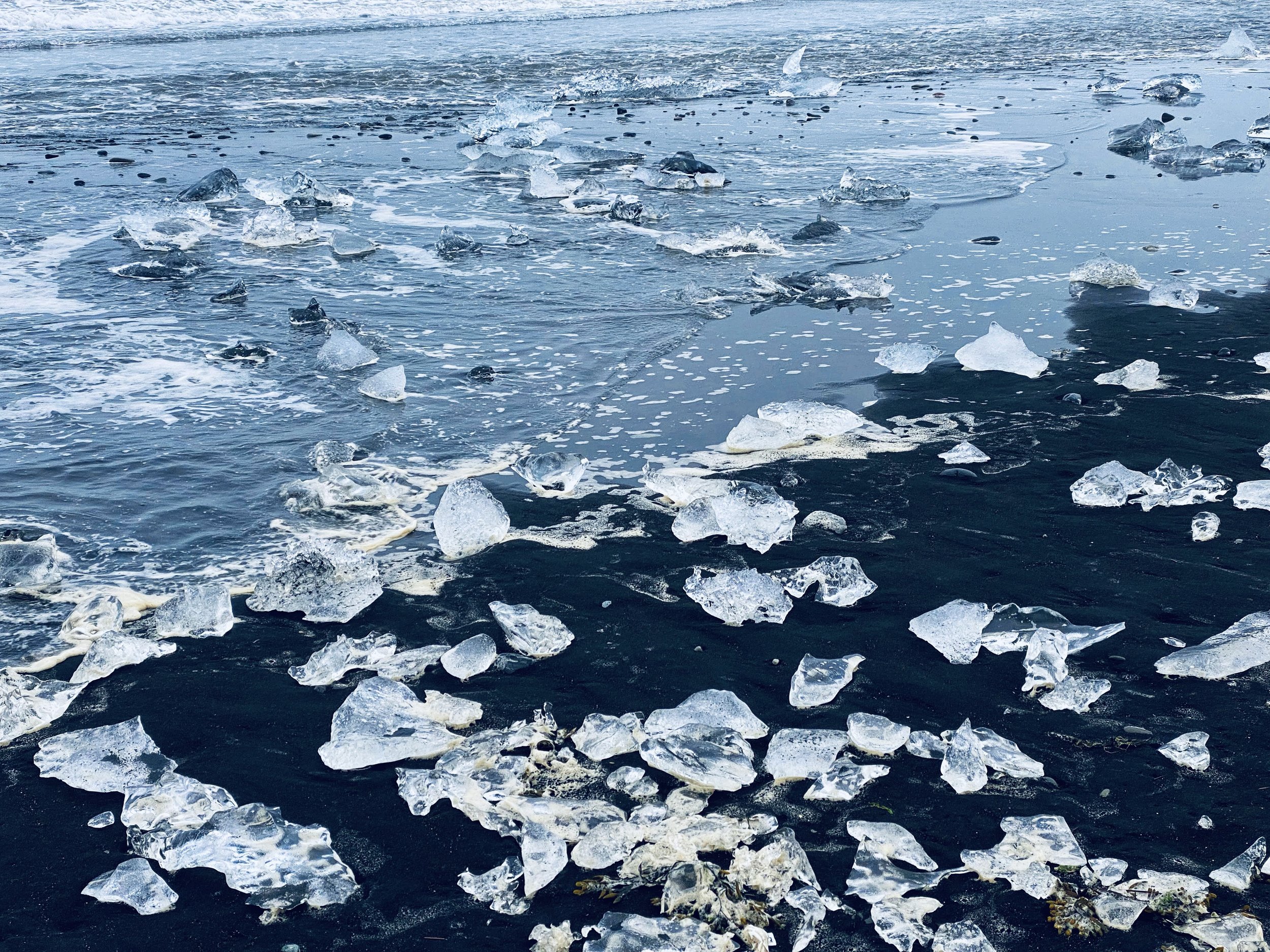
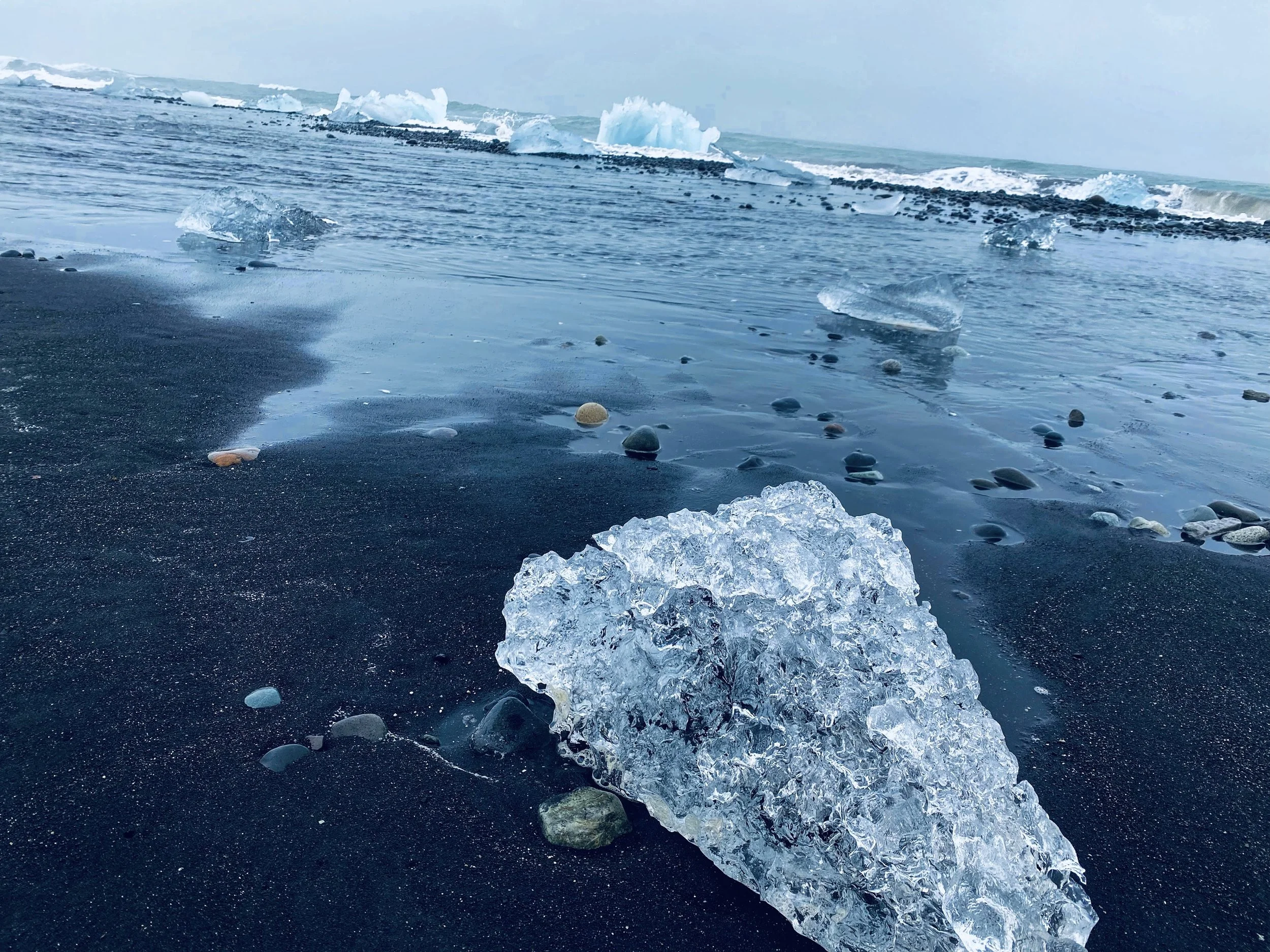
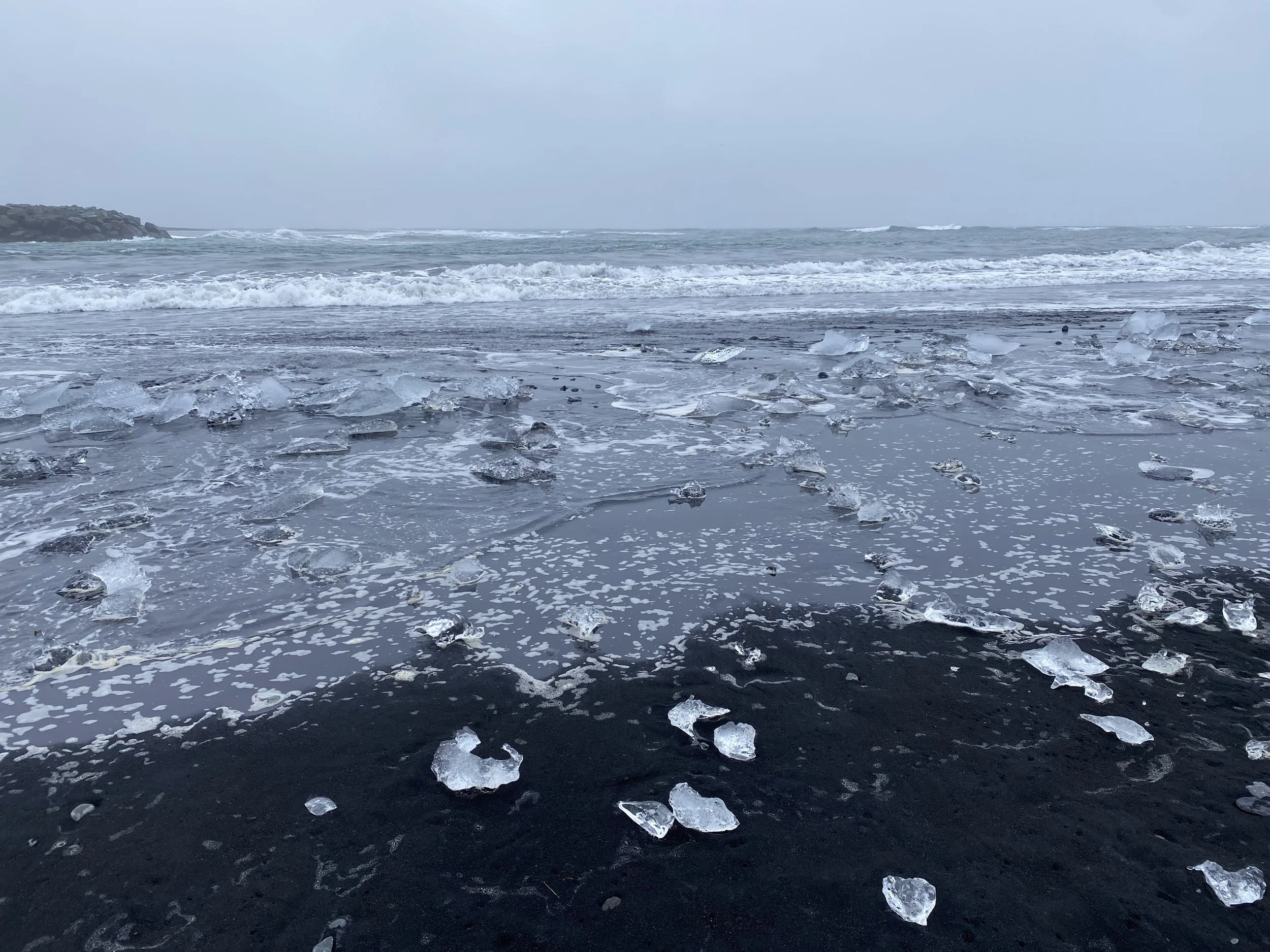
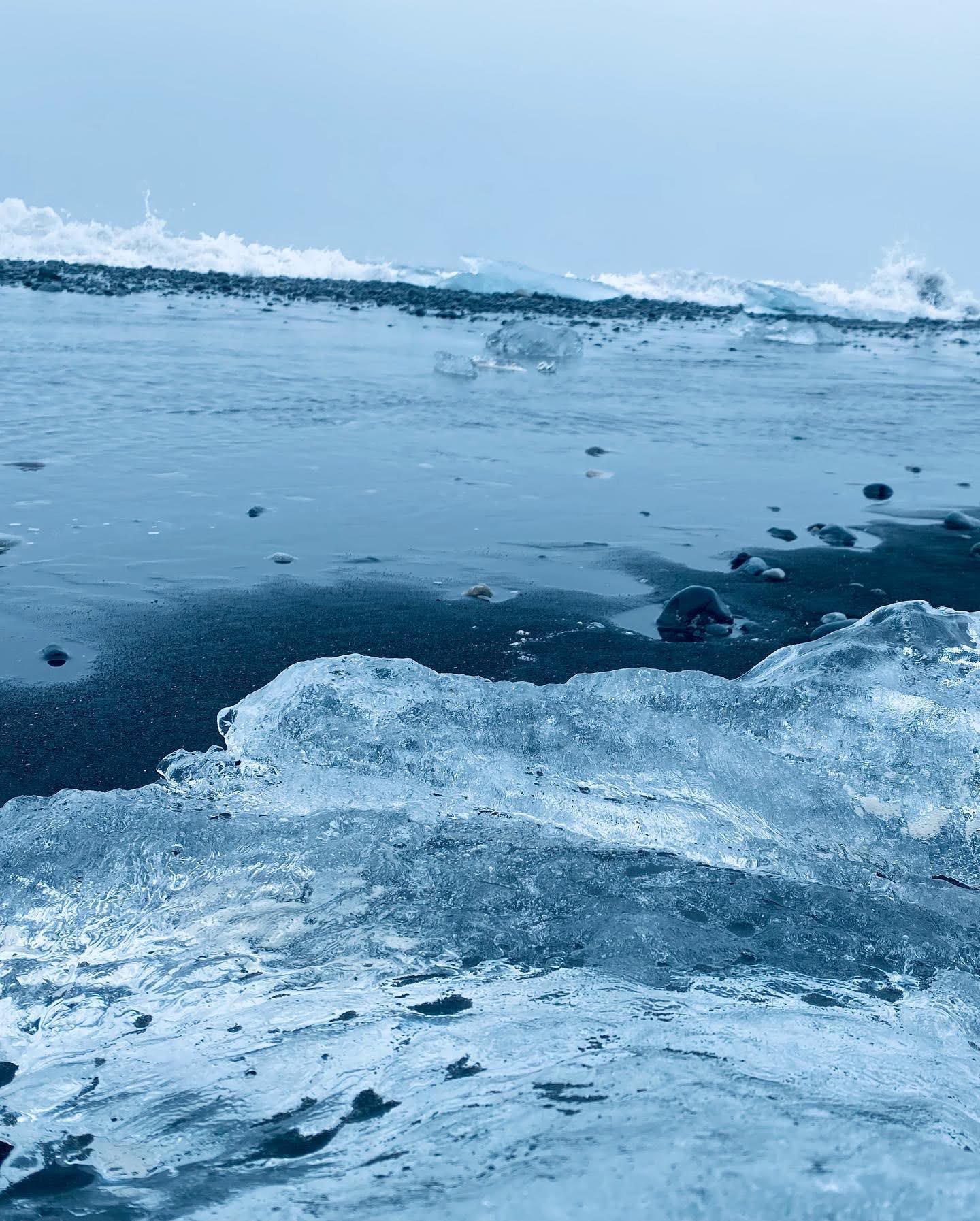
Just across the road from Jökulsárlón is Diamond Beach, where pieces of glacial ice wash up along the black volcanic sand.The ice looks like giant diamonds scattered across the beach. Some pieces are perfectly clear, while others are deep blue or covered in intricate patterns created by the ocean. The contrast between the black sand, crystal-clear ice and Atlantic waves makes this one of the most photogenic stops on the entire South Coast.
Hiking Falljökull — Getting Up Close to Iceland’s Ice
Of everything we experienced on the South Coast, the glacier hike on Falljökull was one of the moments that made Iceland feel truly wild. After seeing glaciers from the road and watching enormous pieces of ice drift through Jökulsárlón, actually stepping onto a glacier was a completely different experience.
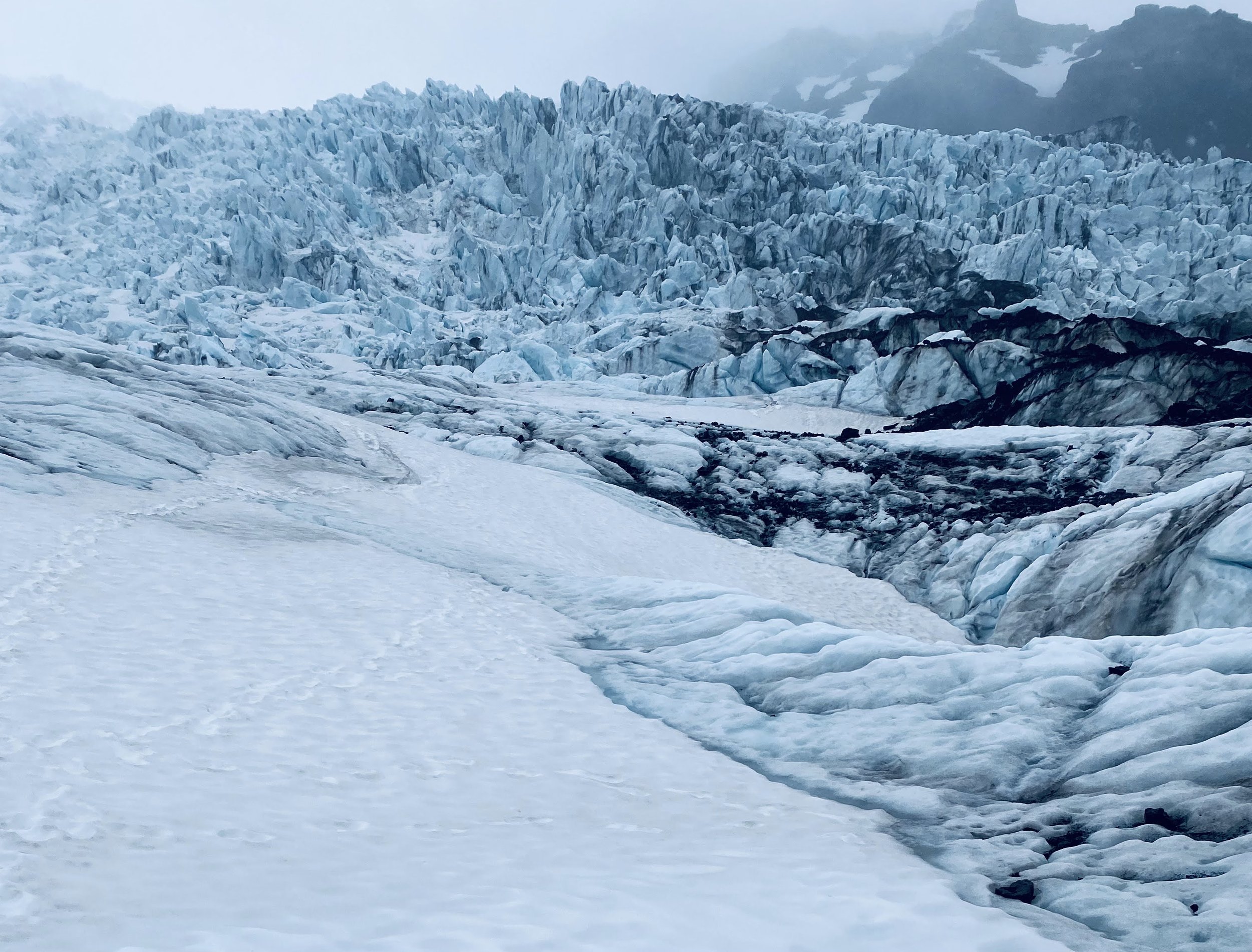
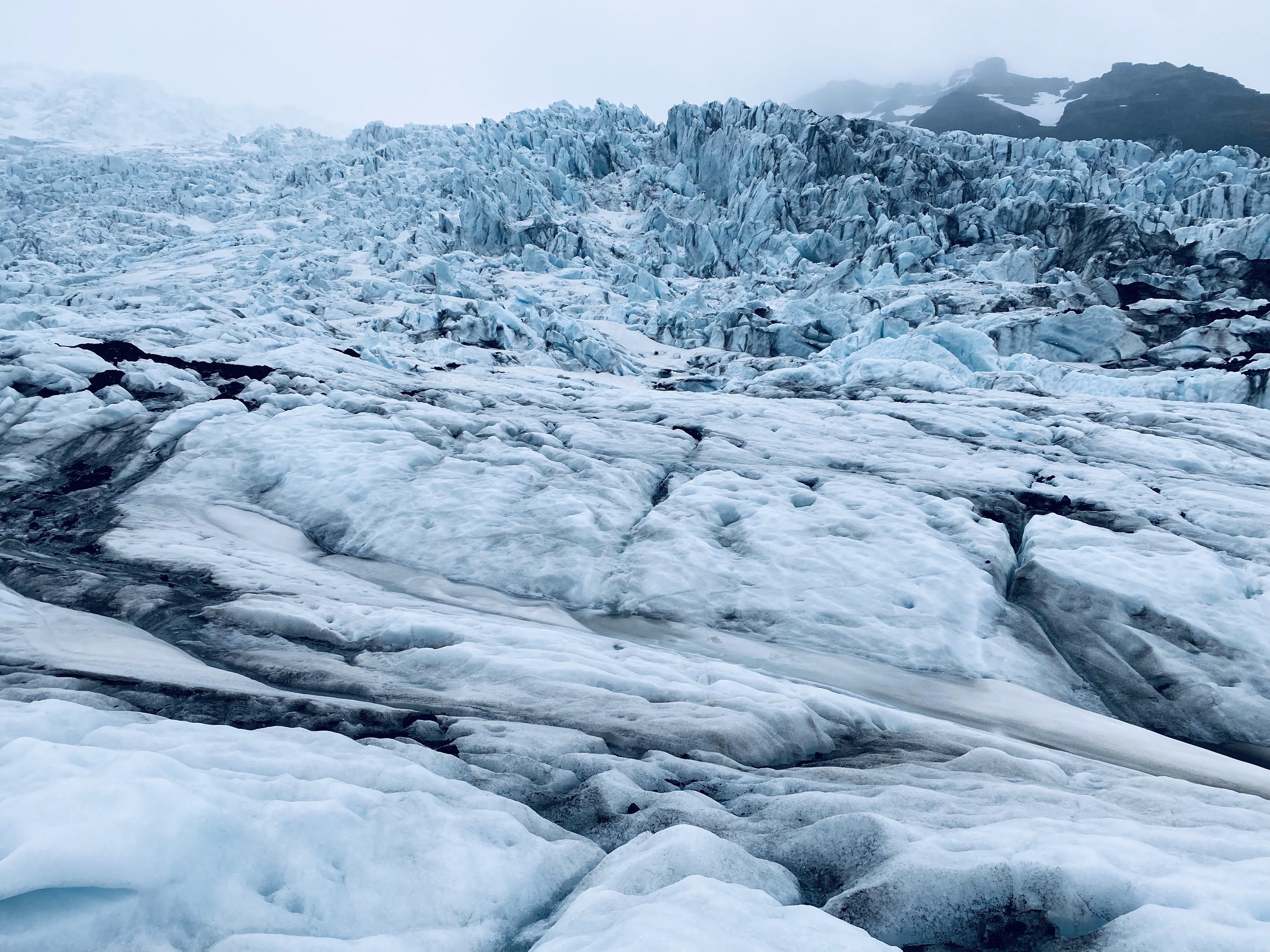
Falljökull, meaning “Falling Glacier,” is an outlet glacier of the vast Vatnajökull ice cap. From a distance, it looks like a huge white-and-blue river of ice flowing down between the mountains. Up close, however, you realise just how complex the landscape really is.
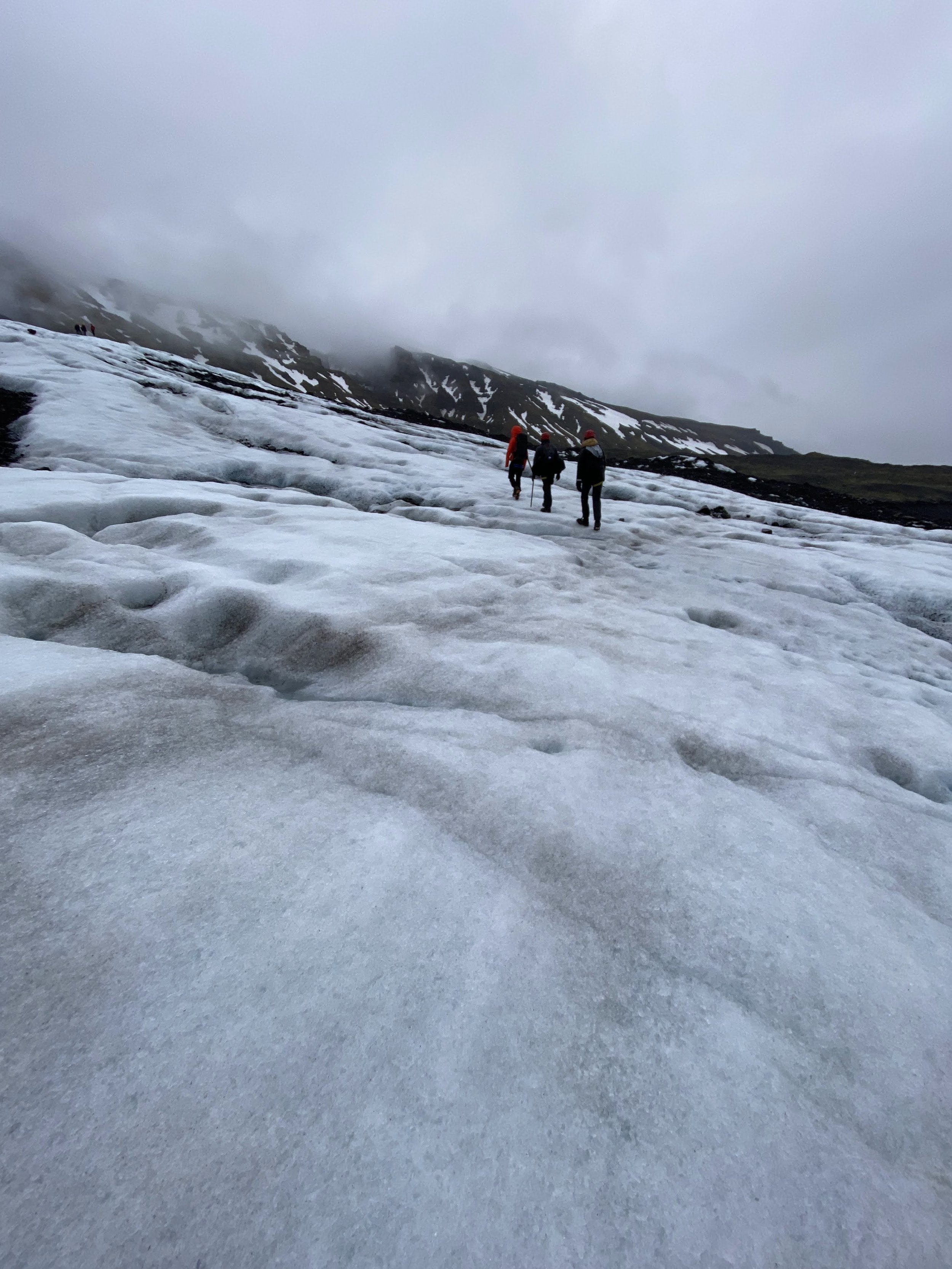
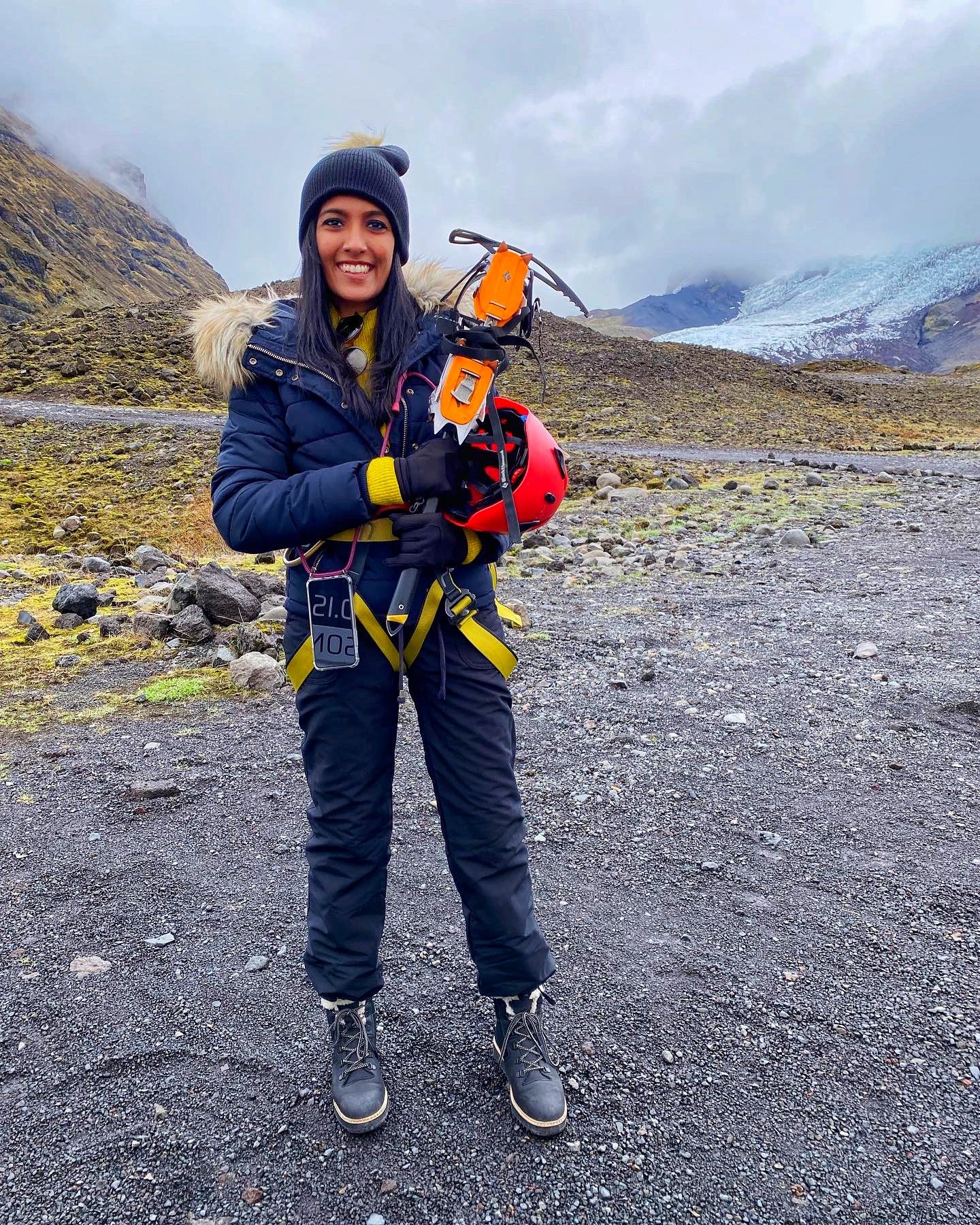
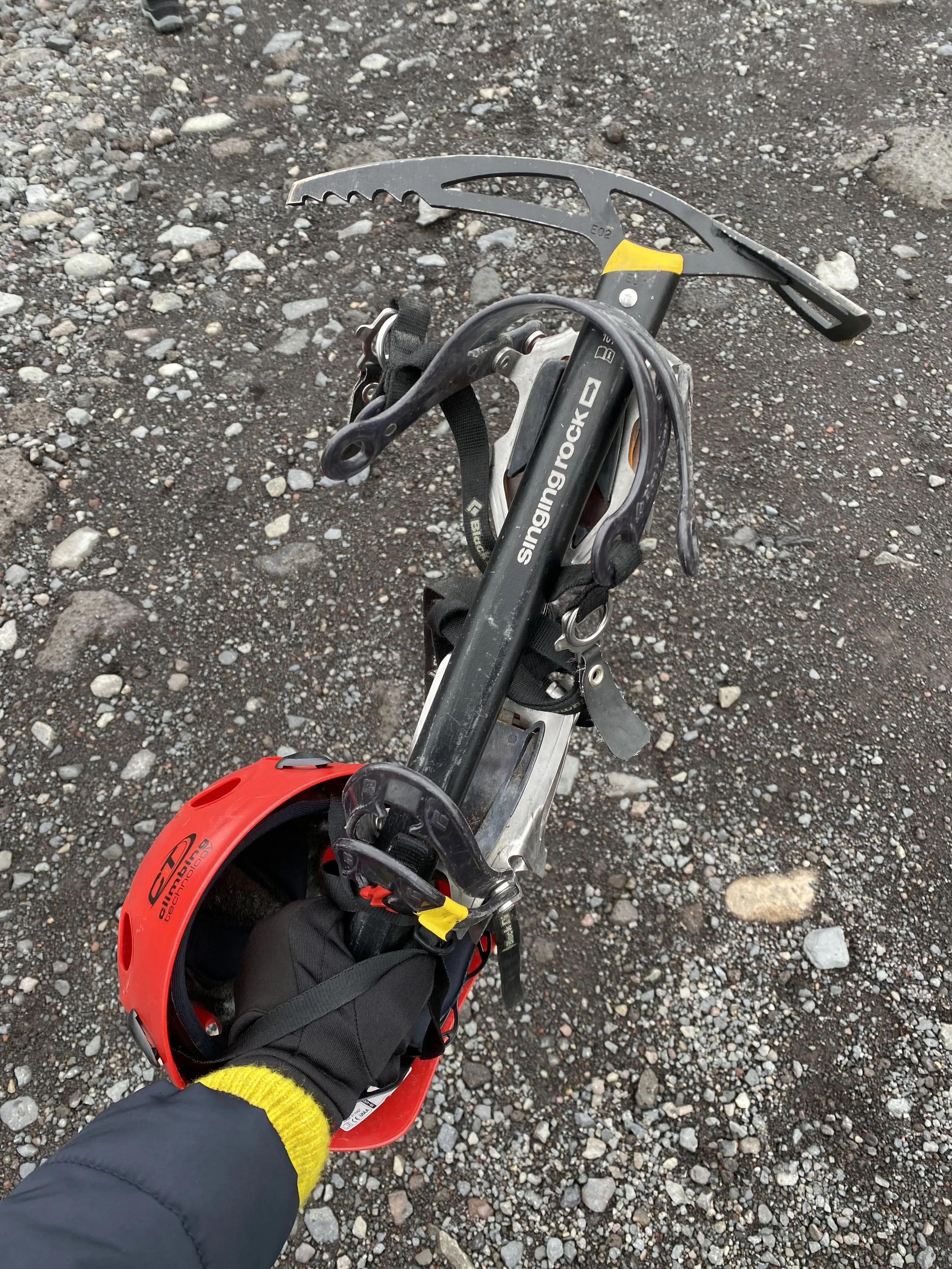
The hike began with a walk towards the glacier before we reached the point where we could gear up for the ice. Once we were on the glacier, our guide showed us how to use the crampons properly and how to walk safely across the uneven surface. Walking on ice isn't quite like walking on normal ground. You have to lift your feet properly and trust your crampons to grip the surface. The terrain is constantly changing, with ridges, slopes and patches of rough ice beneath your feet.
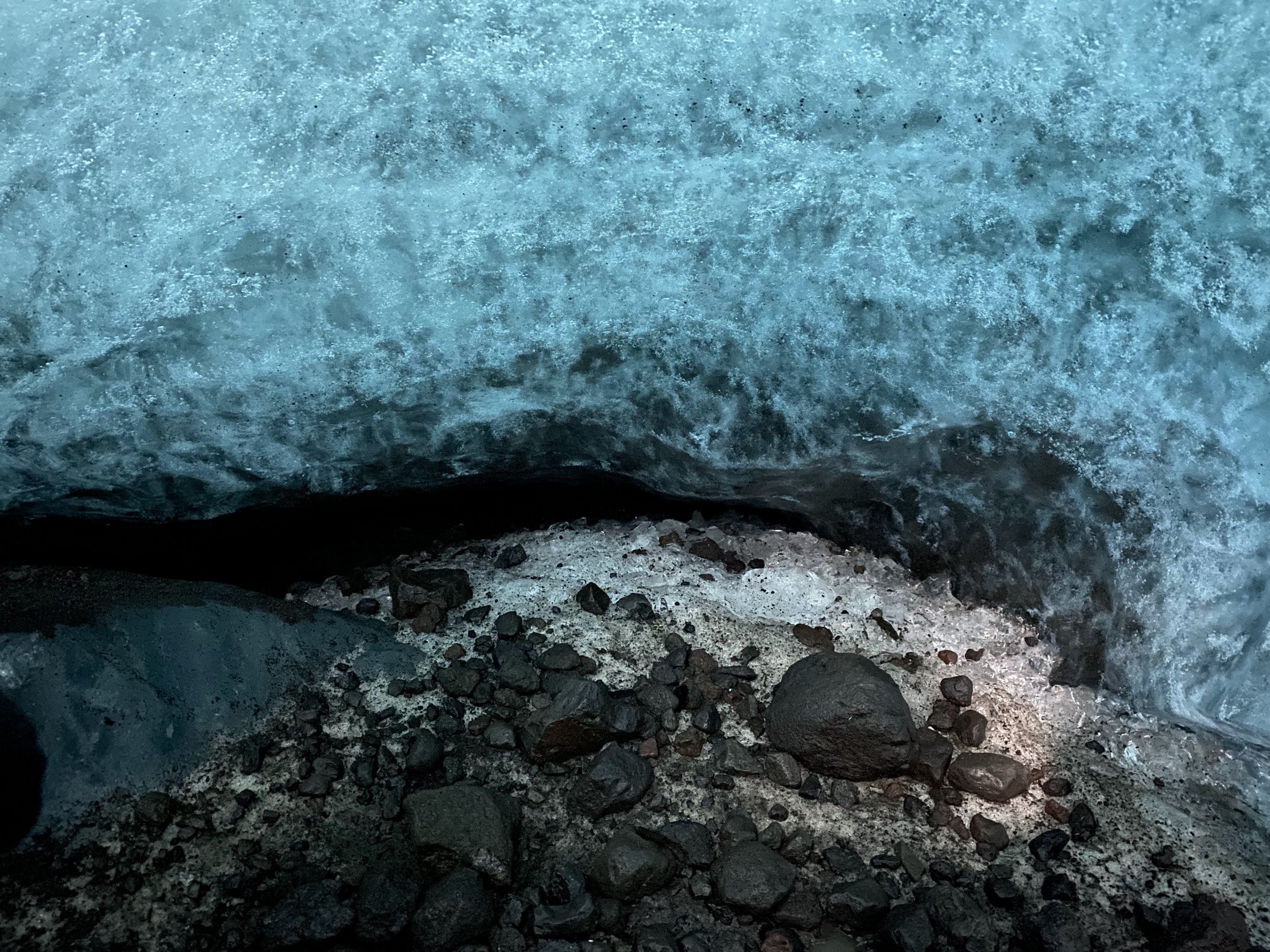
There were incredible shades of blue, grey and white, with dark volcanic ash and sediment running through the ice. Deep cracks and crevasses revealed layers of ice beneath the surface, while meltwater flowed through channels across the glacier.
One of the strangest things about glacier hiking is how difficult it is to understand the scale of what you're looking at. You can see the glacier stretching up towards the mountains, but photographs rarely capture how enormous it feels when you're standing on it.Our guide also helped us understand what we were seeing — how glaciers move, how crevasses form and how the ice is constantly changing. What initially looked like a frozen, static landscape suddenly became something dynamic. The deeper we went, the more dramatic the ice became. Some sections were an almost luminous blue — a result of the dense ice absorbing much of the red light and reflecting the blue wavelengths back to us.
We also encountered crevasses and dramatic formations carved into the glacier by meltwater and movement. This is where having an experienced glacier guide really matters. A glacier may look relatively safe from the outside, but the terrain can change constantly. Crevasses can be hidden, and conditions can vary depending on the weather and season.
We followed our guide's route and instructions throughout the hike, which allowed us to enjoy the experience without having to worry about navigating the glacier ourselves.
Drinking straight from the glacier
Field Notes :
Accommodation: Hotel Jókulsárlon, Breakfast and Dinner provided
Tour Operator: Hidden Iceland, USD 720 pp https://hiddeniceland.is/jokulsarlon-glacier-lagoon-tour/
Warm layered clothing for the whole trip. Iceland’s weather changes unexpectedly
